
DIVINE MERCY IMAGES CURRENTLY ON SALE
-
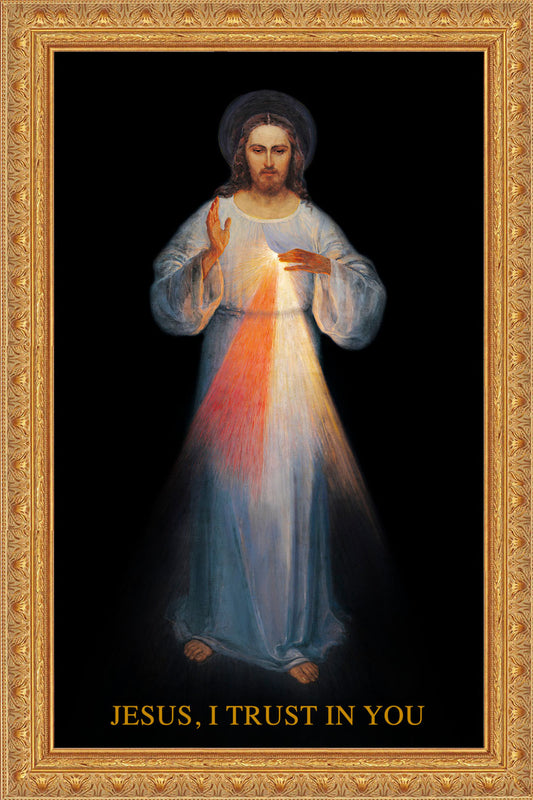
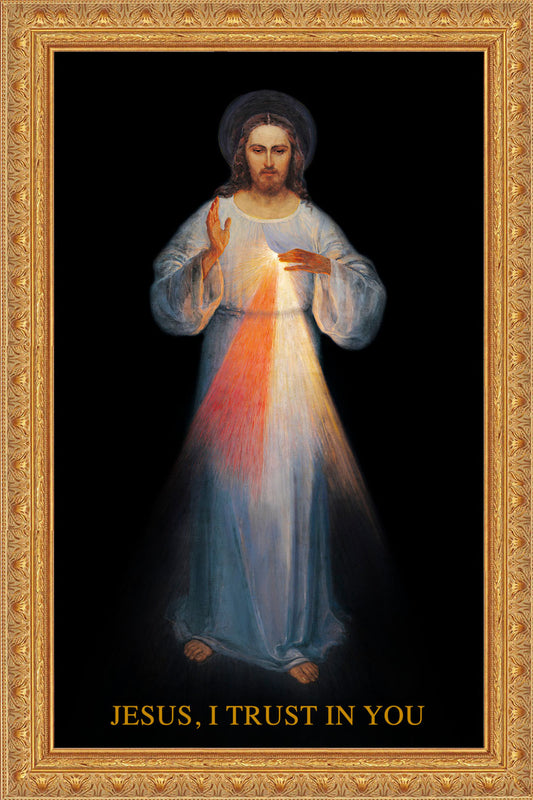
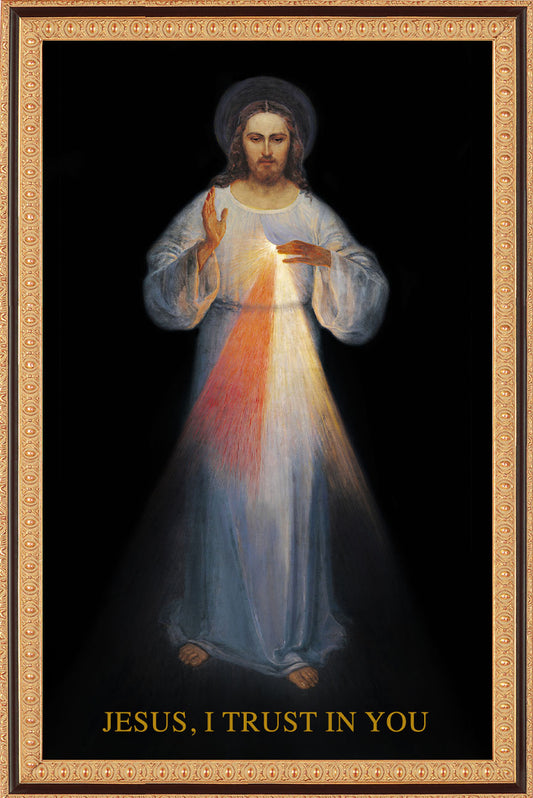
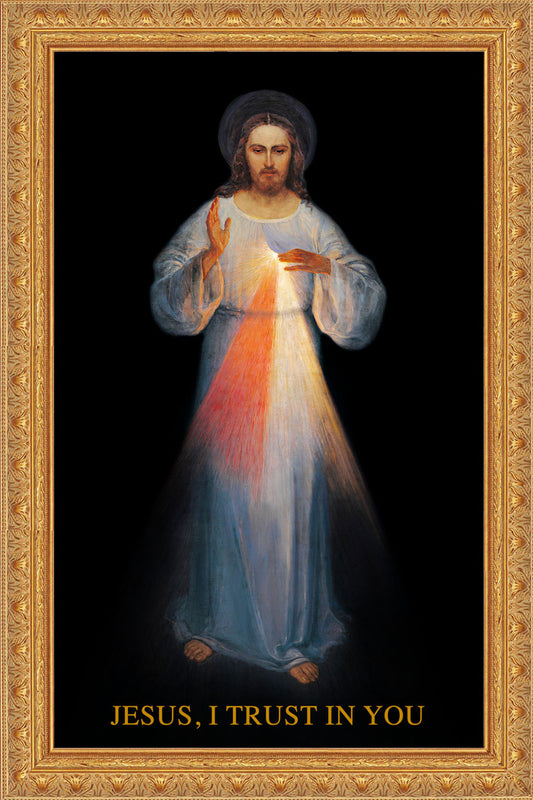
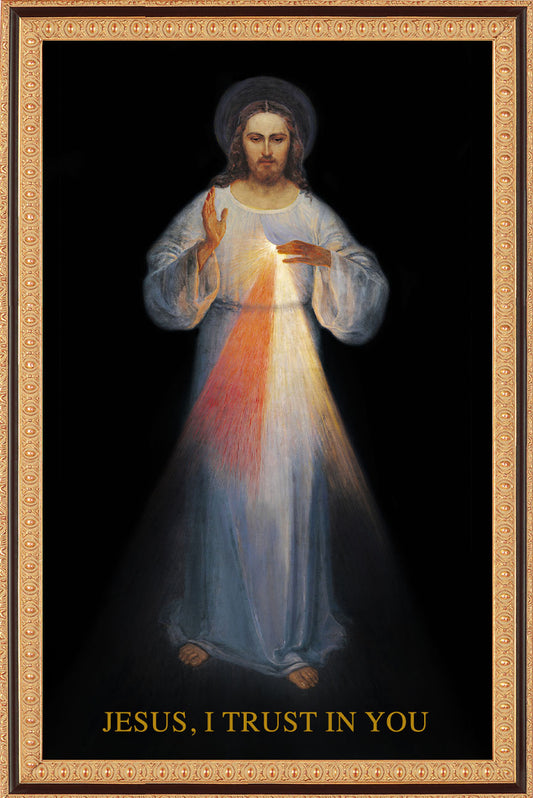
- Vilnius Divine Mercy 20x36 on Canvas - ON SALE - Frame 8136
Regular price $295.00Regular priceUnit price per$315.00Sale price $295.00Sale -
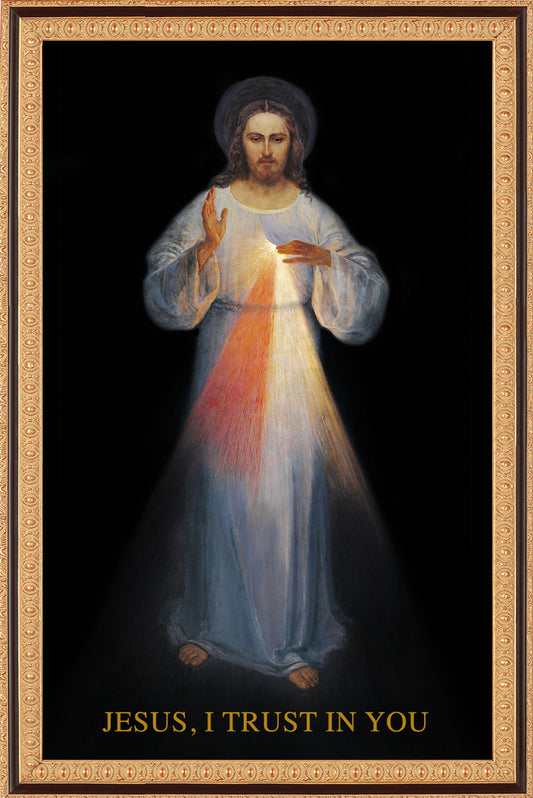
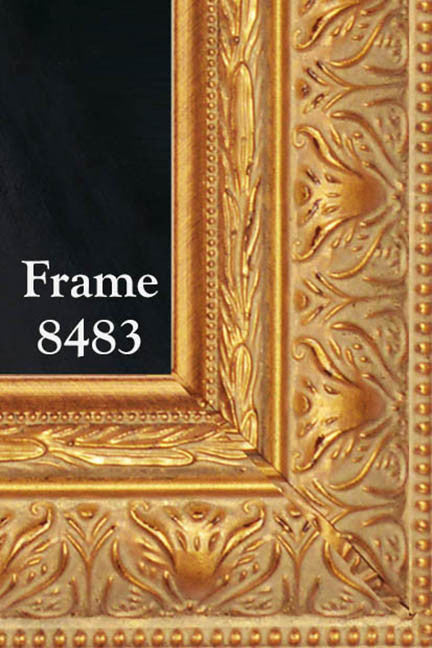
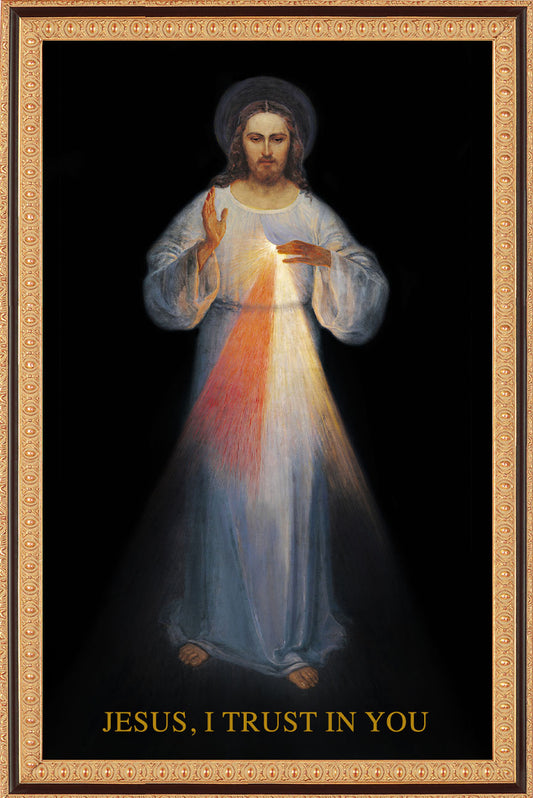
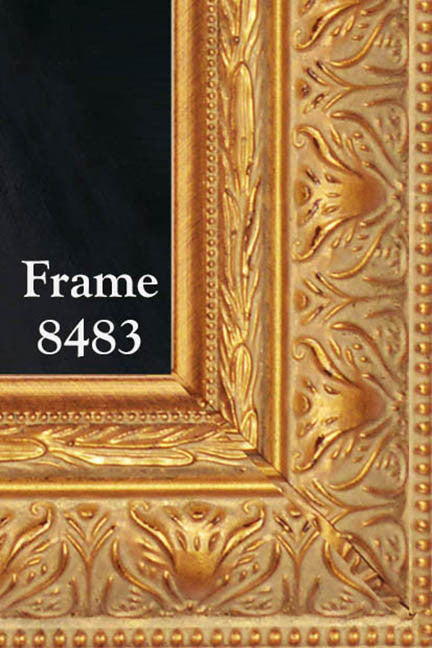
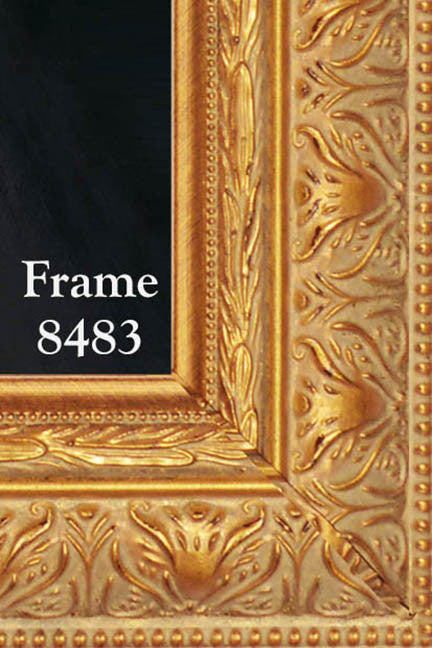
- Vilnius Divine Mercy 20x36 on Canvas - Frame 8483
Regular price $335.00Regular priceUnit price per$375.00Sale price $335.00Sale -
- Vilnius Divine Mercy 10x18 on Canvas - ON SALE - Frame 8136
Regular price $155.00Regular priceUnit price per$175.00Sale price $155.00Sale -
- Vilnius Divine Mercy 20x30 on Canvas - Frame 8483
Regular price $215.00Regular priceUnit price per$335.00Sale price $215.00Sale -
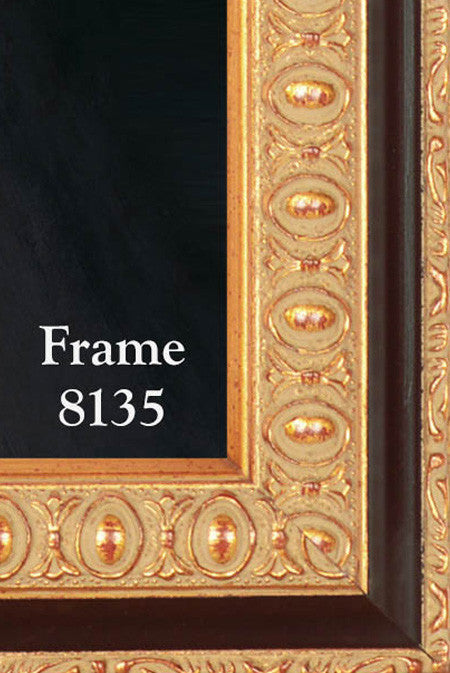
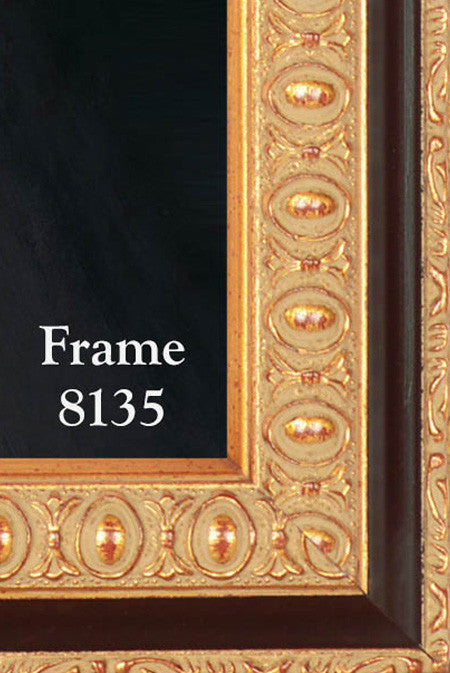
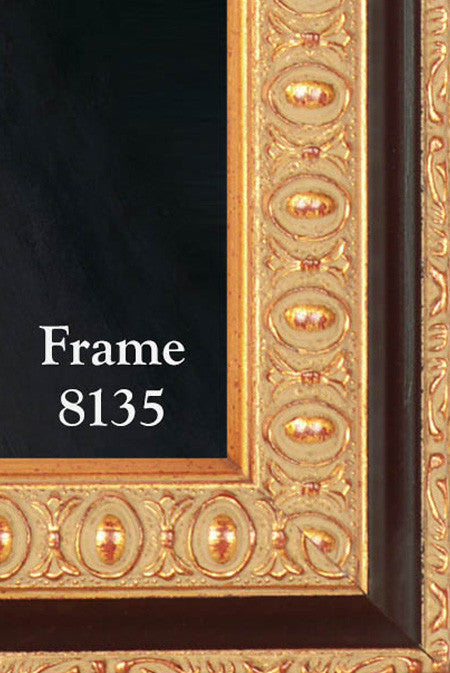
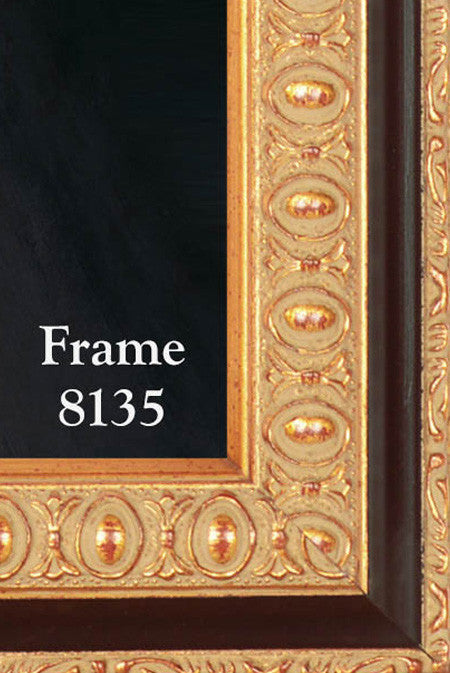
- Vilnius Divine Mercy 8x10 on Canvas - ON SALE - Frame 8135
Regular price $75.00Regular priceUnit price per$99.87Sale price $75.00Sale -
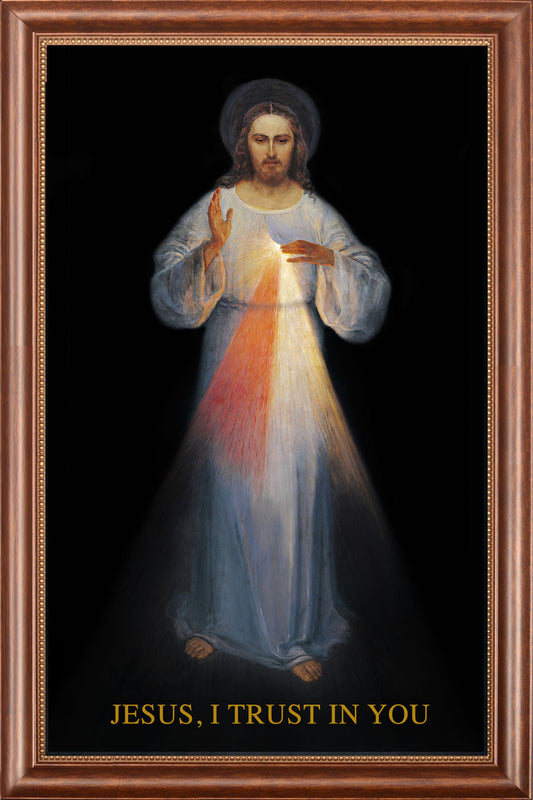
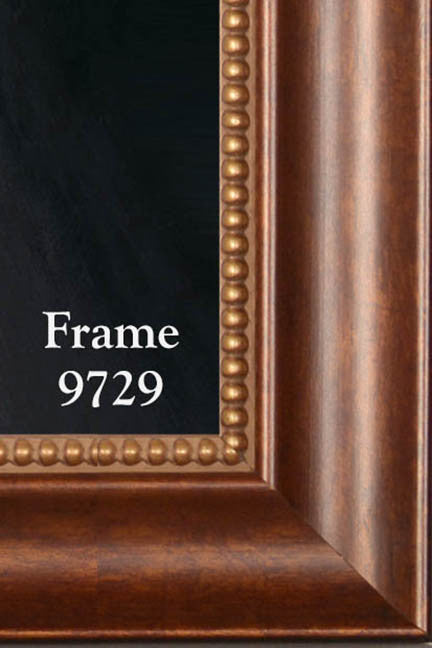
- Vilnius Divine Mercy 10x18 on Canvas - ON SALE- Frame 9729
Regular price $165.00Regular priceUnit price per$185.00Sale price $165.00Sale -
- Oversize Vilnius Divine Mercy 27x48 on Canvas - Frame 8483
Regular price $850.00Regular priceUnit price per$1,050.00Sale price $850.00Sale -
- Oversize Vilnius Divine Mercy 27x48 on Canvas - ON SALE - Frame 8136
Regular price $750.00Regular priceUnit price per$950.00Sale price $750.00Sale
NON-WOOD FRAMED IMAGES ON SALE - 10" X 18"
-
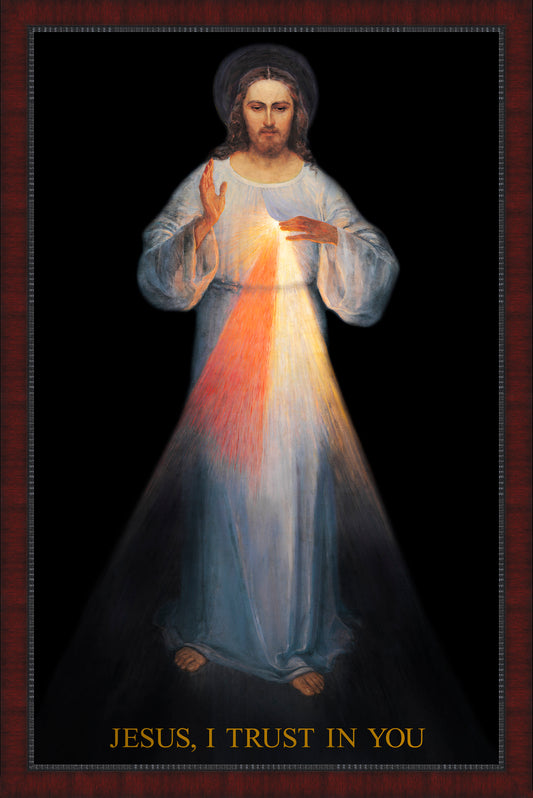
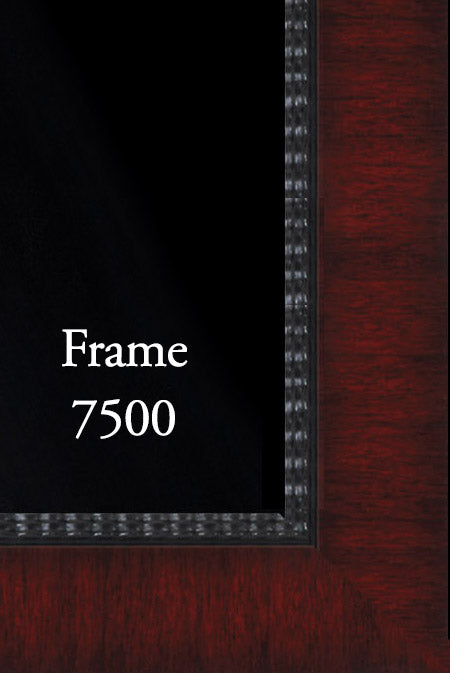
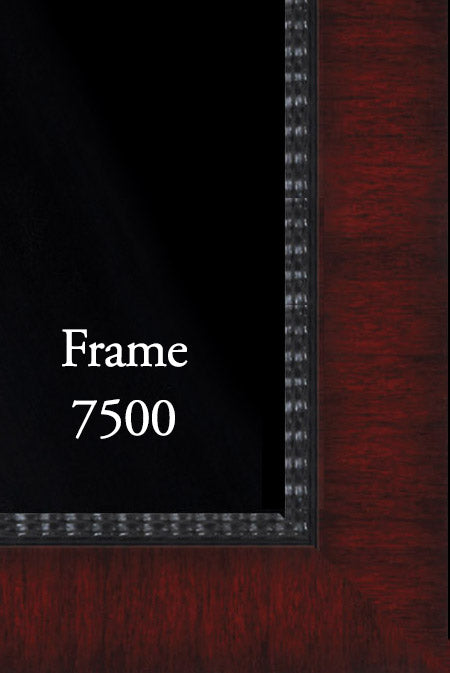
- Vilnius Divine Mercy 10x18 on Canvas - ON SALE - Frame 7500
Regular price $75.00Regular priceUnit price per$85.00Sale price $75.00Sale -
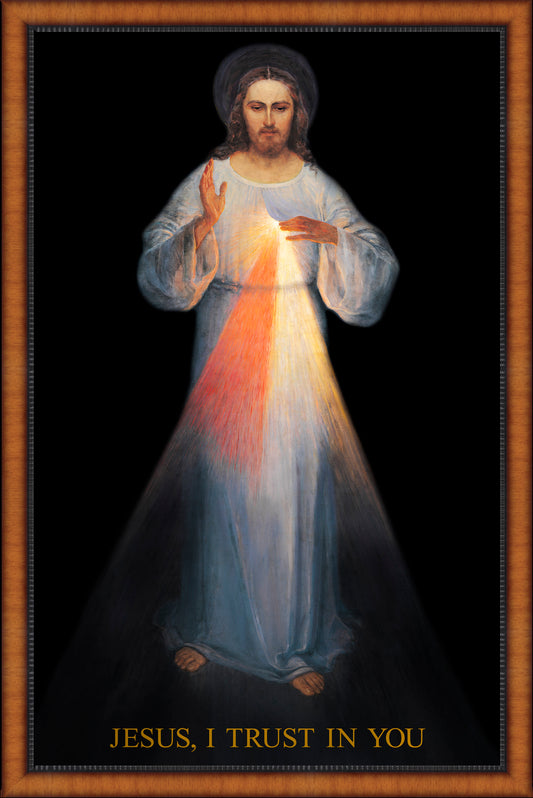
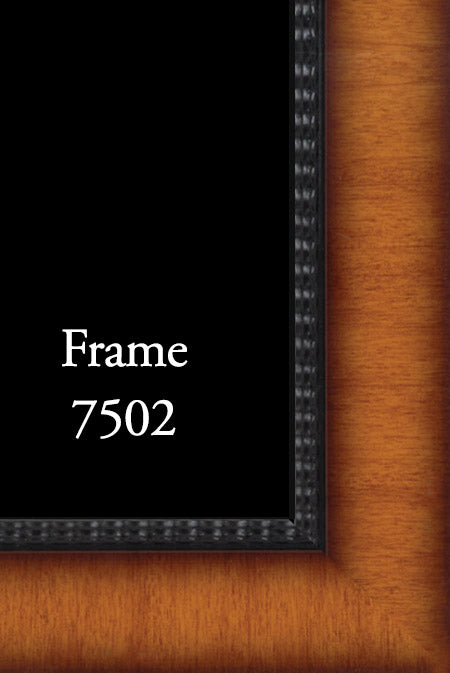
- Vilnius Divine Mercy 10x18 on Canvas - ON SALE - Frame 7502
Regular price $75.00Regular priceUnit price per$85.00Sale price $75.00Sale -
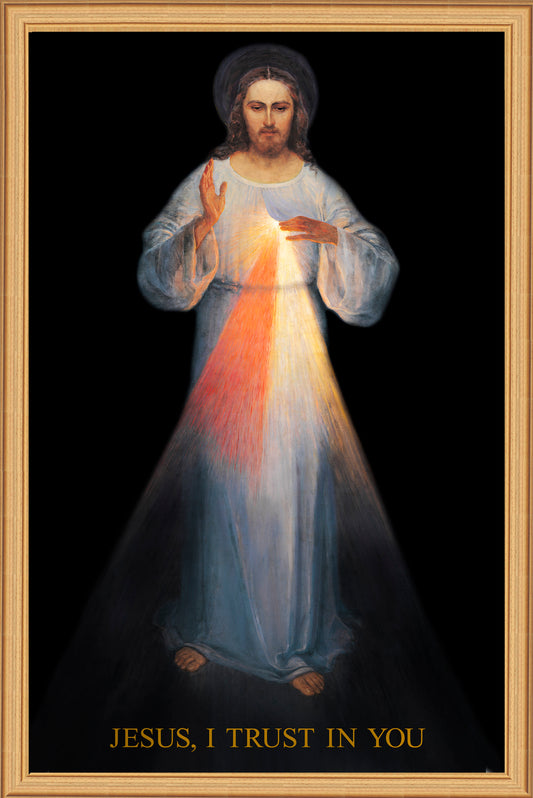
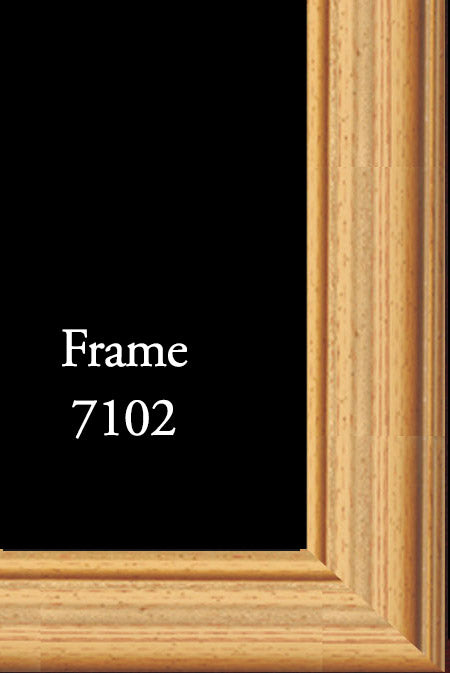
- Vilnius Divine Mercy 10x18 on Canvas - ON SALE - Frame 7102
Regular price $70.00Regular priceUnit price per$80.00Sale price $70.00Sale -
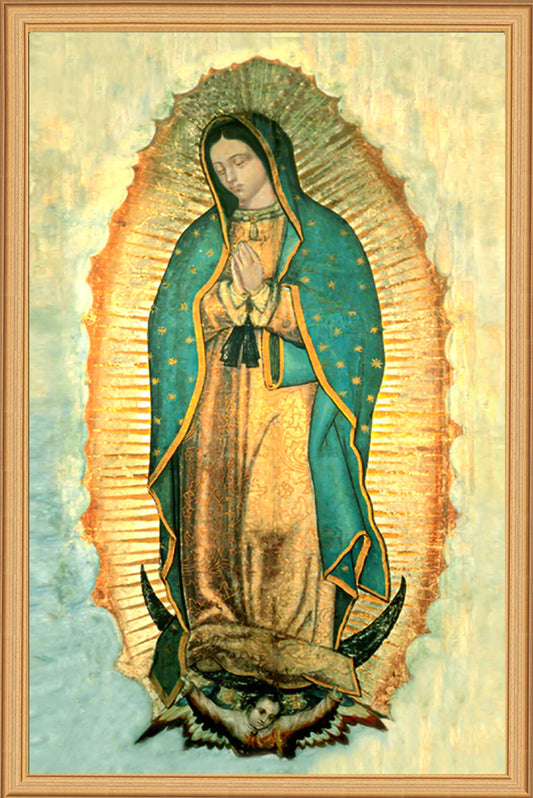
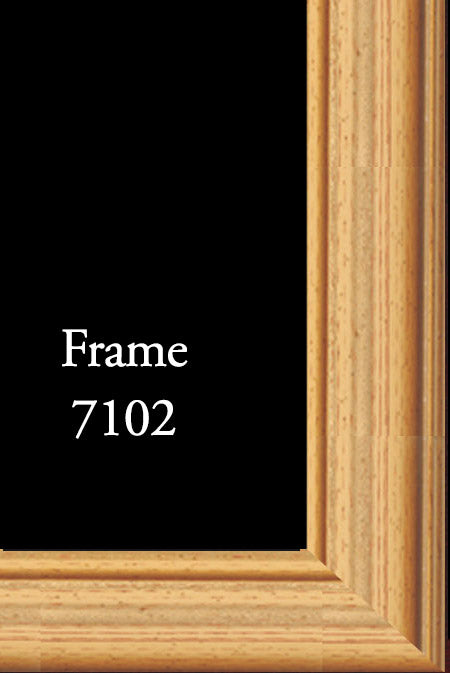
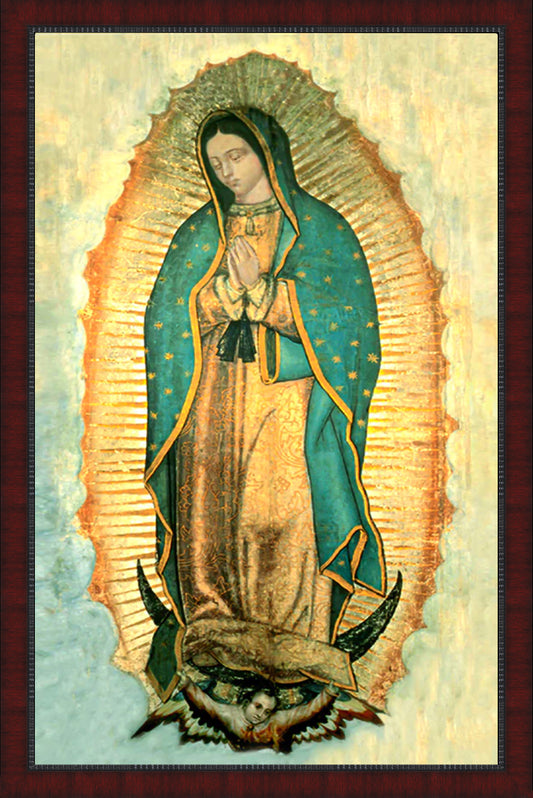
Our Lady of Guadalupe 10x18 on Canvas - ON SALE - Frame 7102
Regular price $70.00Regular priceUnit price per$80.00Sale price $70.00Sale -
Our Lady of Guadalupe 10x18 on Canvas - ON SALE - Frame 7500
Regular price $75.00Regular priceUnit price per$85.00Sale price $75.00Sale
ALL OUR IMAGE COLLECTIONS
-

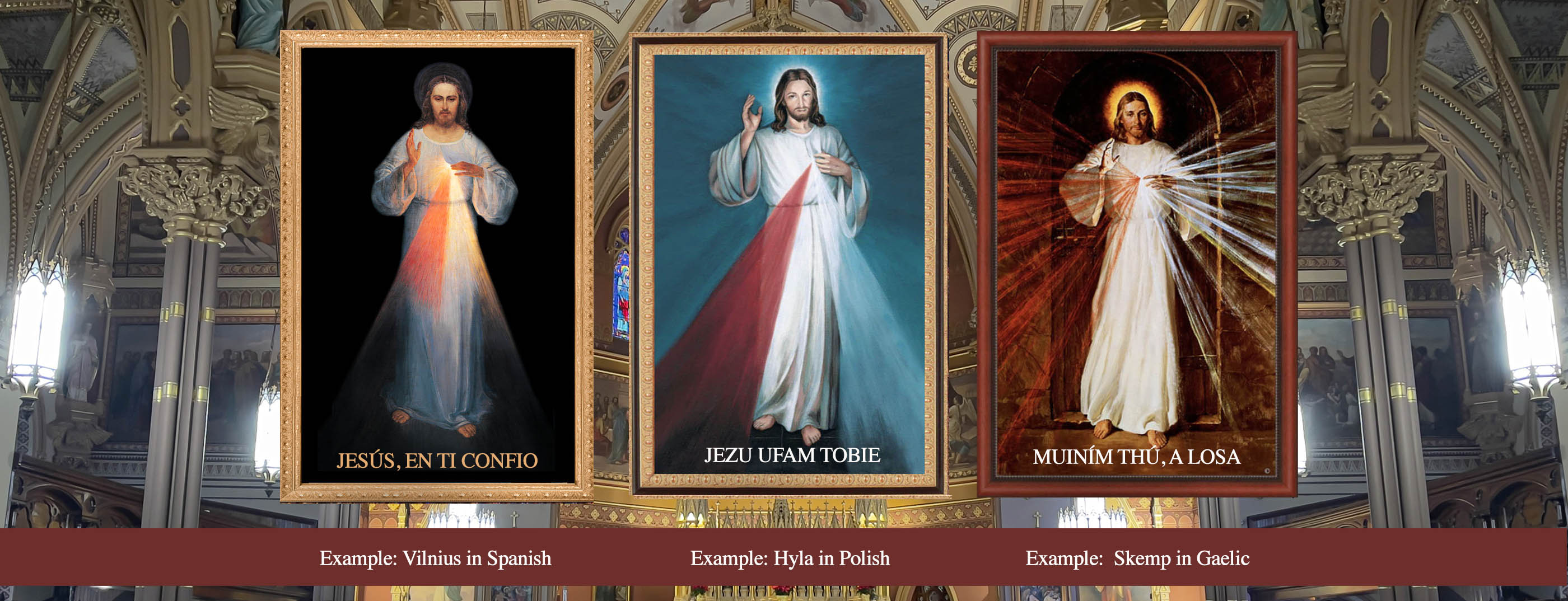
Vilnius Divine Mercy On Canvas With Frame and Language Options
Our products are displayed by frame so you can see at a glance...
-

Hyla Divine Mercy On Canvas With Frame and Language Options
Welcome to the Hyla Image of The Divine Mercy on canvas. Our products...
-
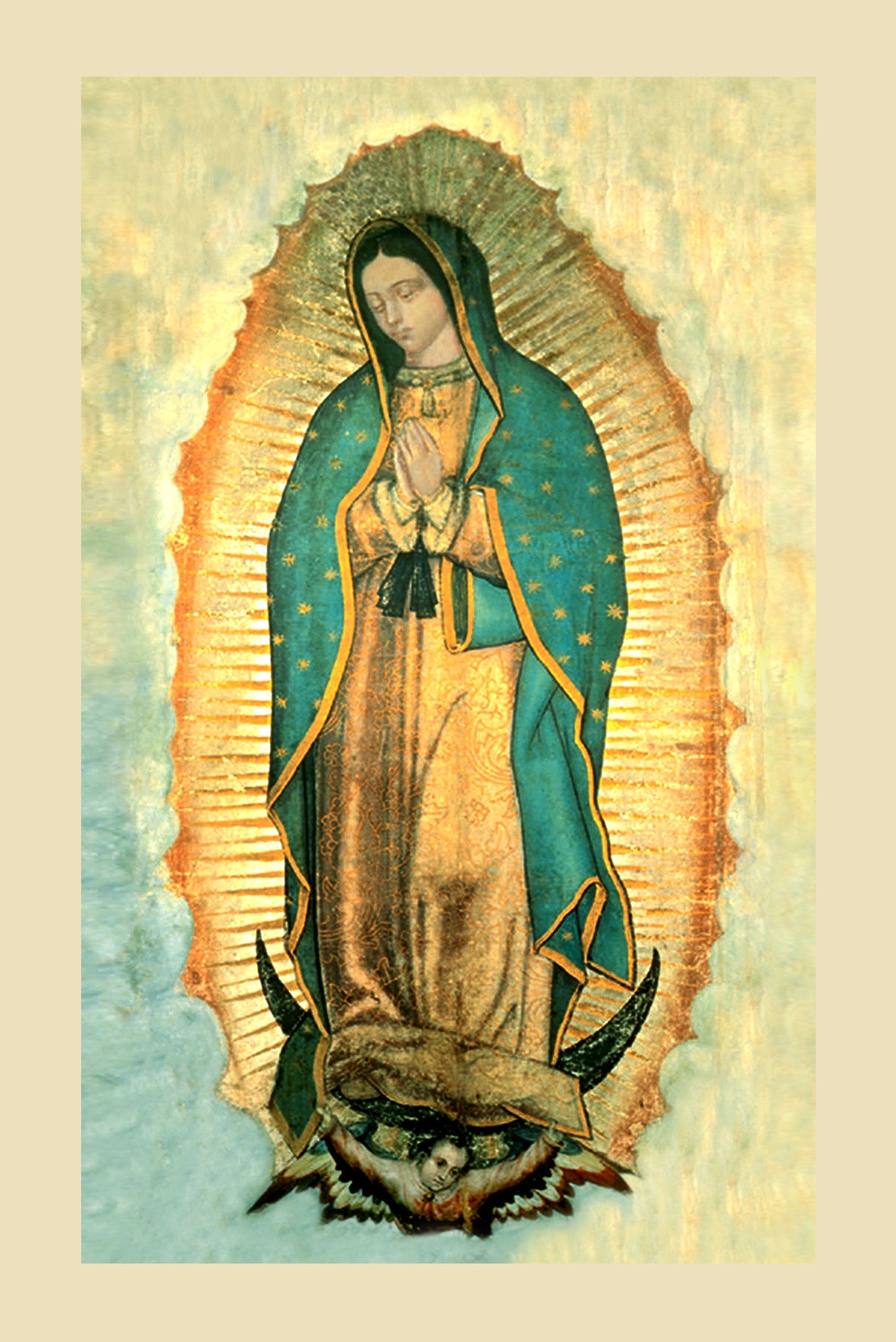
Our Lady of Guadalupe With Frame Options
Our Lady of Guadalupe, also referred to as the “Guadalupina,” is an...








THANK YOU FOR VISITING MERCYIMAGES.COM
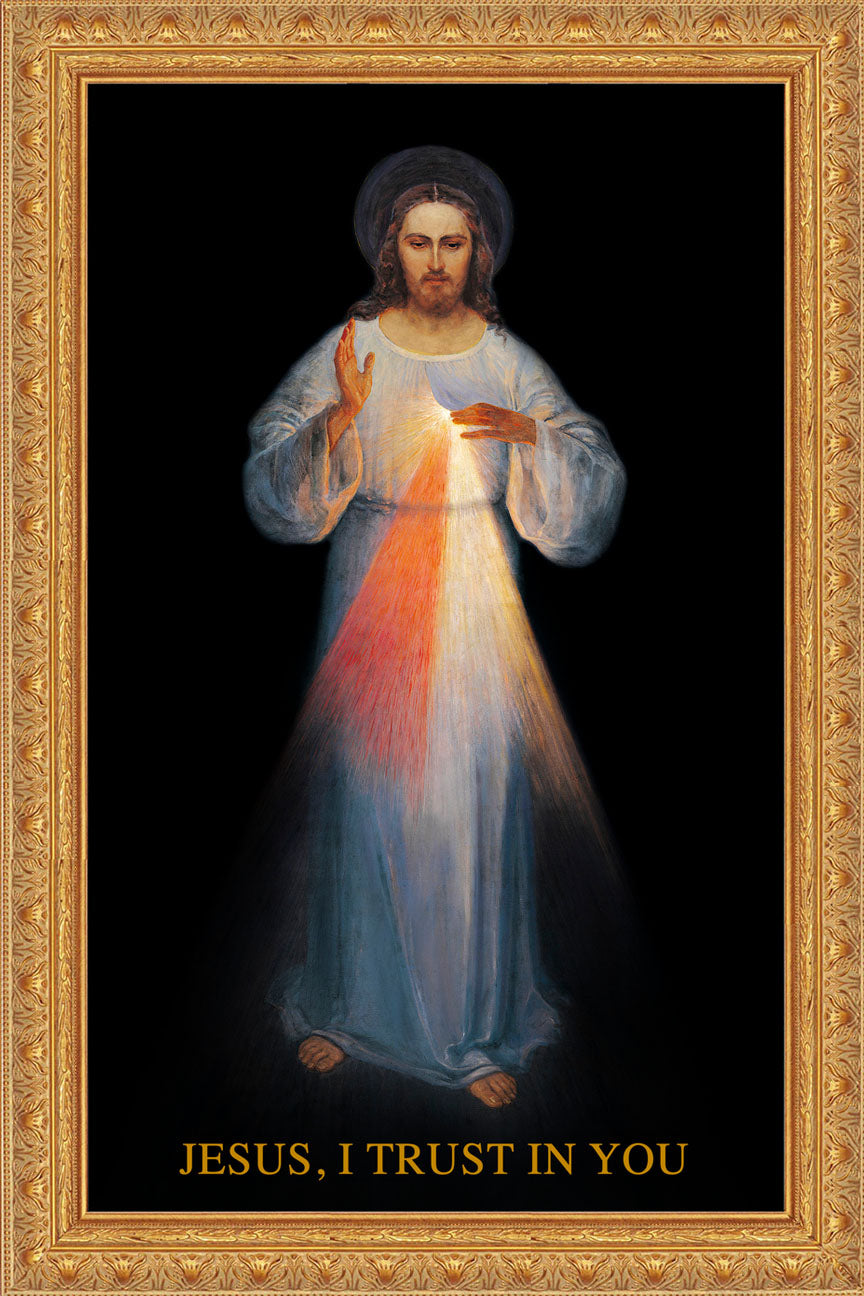
We have been printing and framing religious art reproductions since 1999 for customers all over the world. Our primary focus is the Vilnius Image of The Divine Mercy, the original Divine Mercy Image painted by Eugene Kazimierowski in Vilnius under the supervision of Sister Faustina and Fr. Michael Sopocko. The painting was completed in 1934 and restored in 2003.
We provide these Images in many sizes, framed or unframed, for homes, chapels, and churches up to cathedral sizes. Currently, our largest framed size is 27" x 48". A typical larger unframed canvas is 34" x 60", or 42" x 75". These are available under the 'Store' menu as product options on the unframed images.
Hi Mercy Images,
We received the Divine Mercy Image in excellent order, and It is exquisite. The beautiful ornate wood frame 8483 gleams like metal, and the Image is a virtual portrait of our Merciful Lord of indescribable beauty.
I hope our fellow parishioners are as pleased and blessed as we are to have this awesome Image serving as a means of grace from our Lord.
It's been very nice doing business with you. Your responsiveness with timely communications, production, sturdy packaging, and shipping has been greatly appreciated.
Thank you so much and Blessed New Year to you, family, and staff.
Living Water Mission,
Seeley Lake, Montana
January, 2024
OUR IMAGES AROUND THE WORLD
View all-
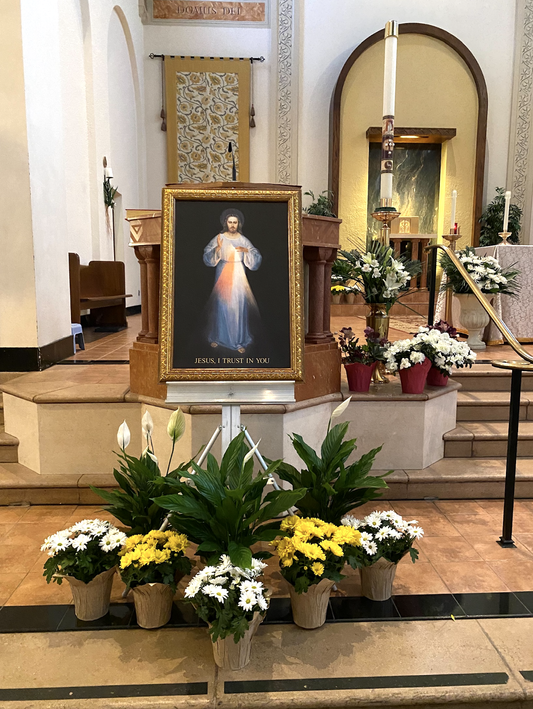
Thank you from Seattle
Thank you very much. Our celebration went really well...
Thank you from Seattle
Thank you very much. Our celebration went really well...
-
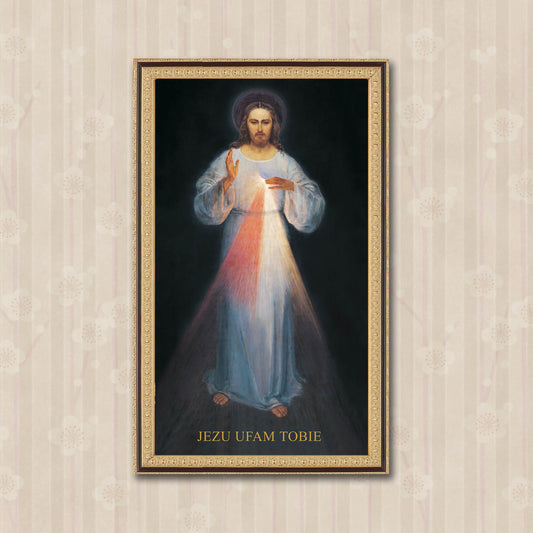
Polish Image, in Chicago
The Divine Mercy art is much more beautiful in real life ...
Polish Image, in Chicago
The Divine Mercy art is much more beautiful in real life ...
-
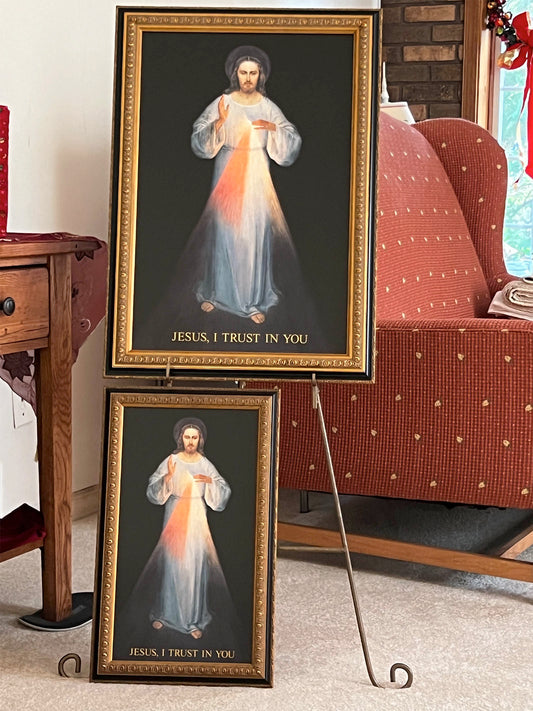
Most Beautiful Christmas
I highly recommend your work for a Divine Mercy Image...
Most Beautiful Christmas
I highly recommend your work for a Divine Mercy Image...
-
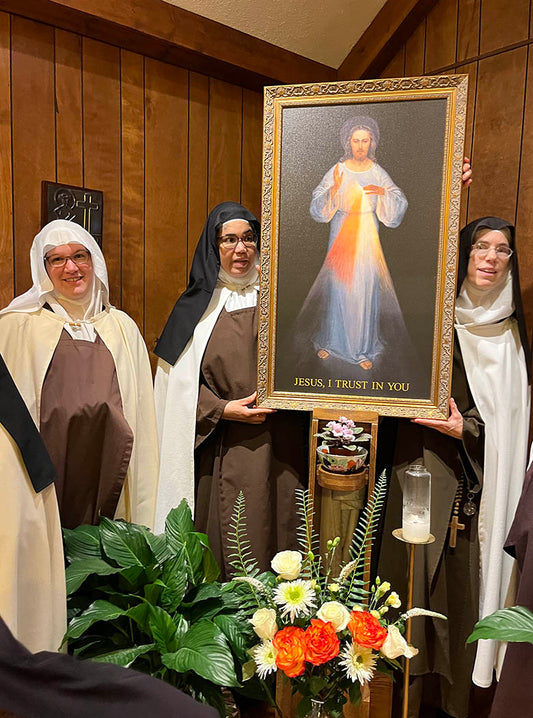
Very Happy In Maryland
It is just stunning!!! I can't stop looking at it ...
Very Happy In Maryland
It is just stunning!!! I can't stop looking at it ...



